Choosing the right card size is one of the most important decisions when developing custom playing cards. Card dimensions affect player experience, production costs, artwork layout, packaging design, shipping weight, and overall product positioning.
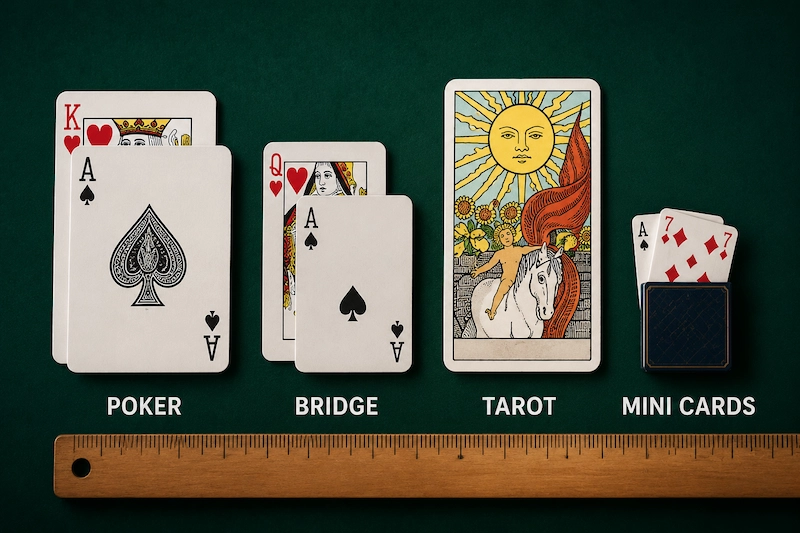
While Poker Size cards dominate the global market, Bridge Size, Tarot Size, and Mini Cards each serve different audiences and applications. Understanding their differences helps publishers, game designers, and brands select the most suitable format for their project.
Common Playing Card Sizes at a Glance
| Card Type | Dimensions (mm) | Dimensions (inches) | Common Applications |
|---|
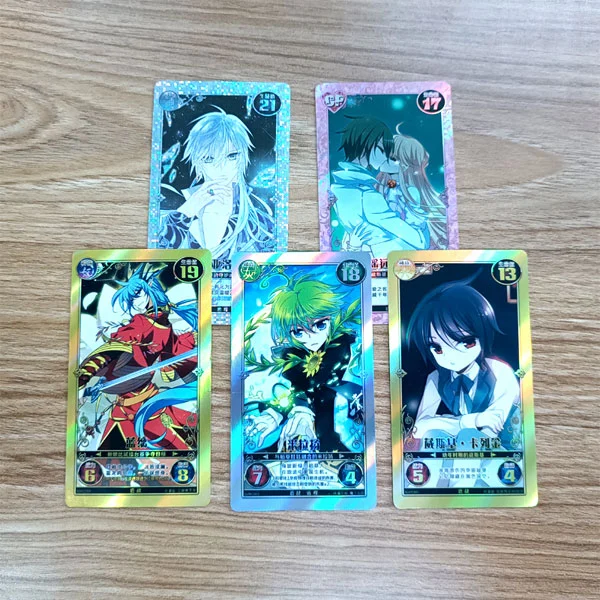
| Poker Size | 63 × 88 mm | 2.5 × 3.5 in | Playing cards, TCG, casino games |
| Bridge Size | 57 × 88 mm | 2.25 × 3.5 in | Bridge, card handling games |
| Tarot Size | 70 × 120 mm | 2.75 × 4.75 in | Tarot and oracle decks |
| Mini Cards | 44 × 68 mm | 1.73 × 2.68 in | Travel games, expansion packs |
Selecting the appropriate size depends on your gameplay mechanics, artwork requirements, target market, and budget.
Why Poker Size Is the Industry Standard
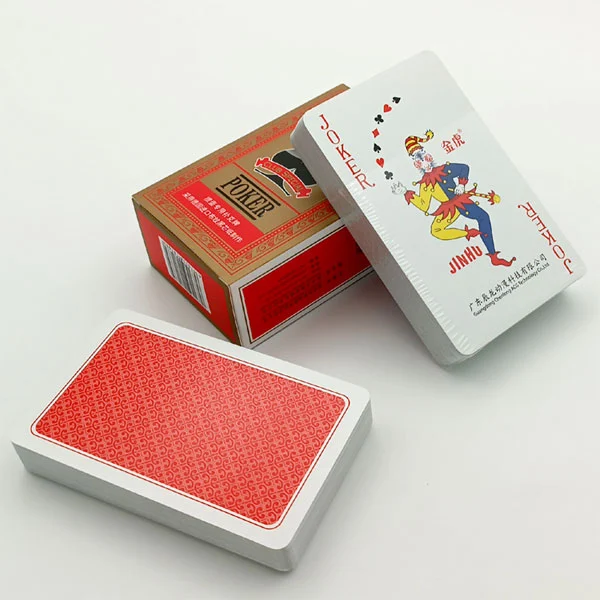
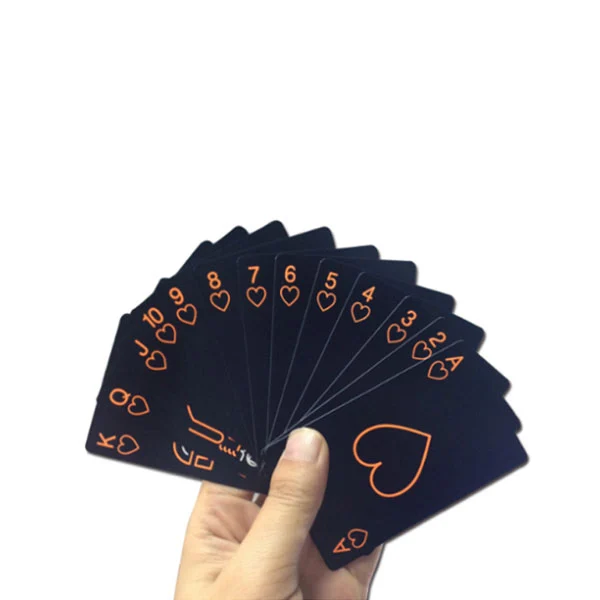
Poker Size (63 × 88 mm) is the most widely used format for custom playing cards worldwide.
Its popularity comes from its versatility. The size provides sufficient space for artwork, symbols, text, and branding while remaining comfortable to shuffle and hold.
Advantages of Poker Size Cards
Widely recognized by players
Compatible with standard card sleeves
Easy to shuffle
Suitable for most game genres
Broad manufacturing support
Cost-effective production
Best Applications
Bridge Size Cards: Narrower but More Efficient
Bridge Size cards maintain the same height as Poker Size cards but are slightly narrower.
| Feature | Poker Size | Bridge Size |
|---|
| Width | 63 mm | 57 mm |
| Height | 88 mm | 88 mm |
| Artwork Space | More | Less |
| Ease of Holding Large Hands | Good | Excellent |
The narrower profile makes Bridge cards easier to hold when players have many cards in hand.
Best Applications
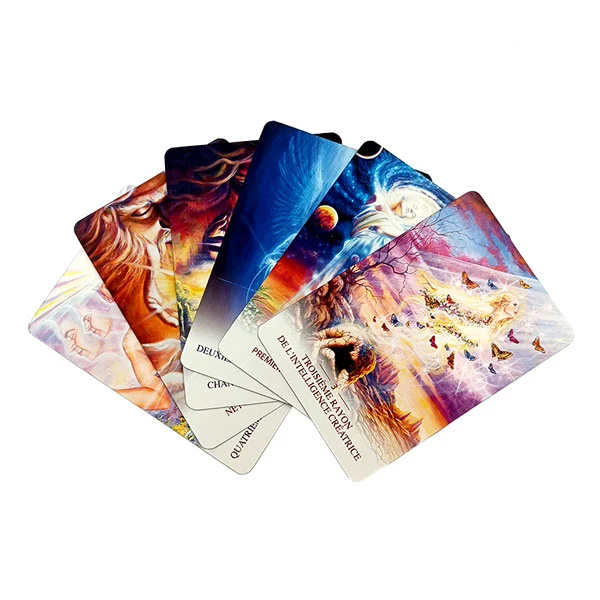
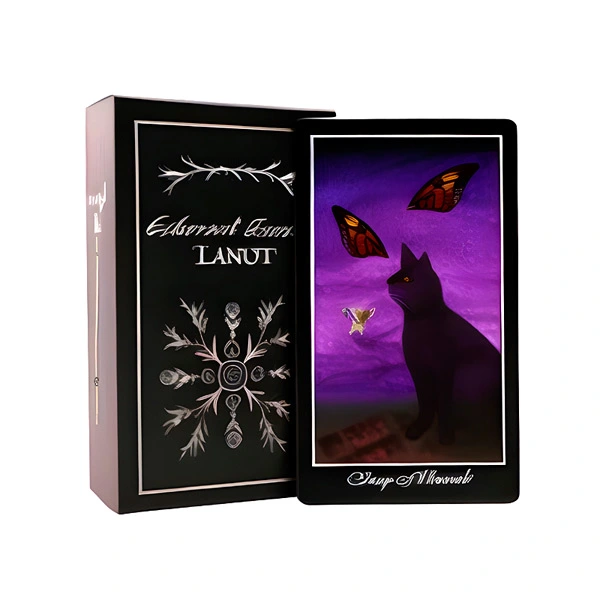
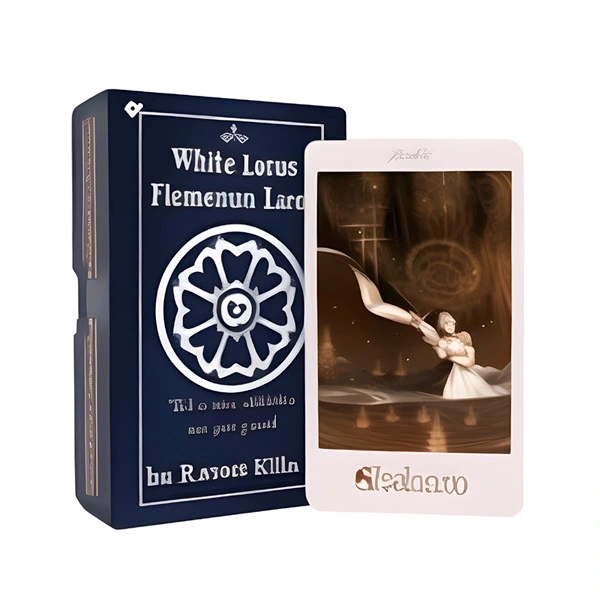
Tarot Size Cards: Designed for Visual Impact
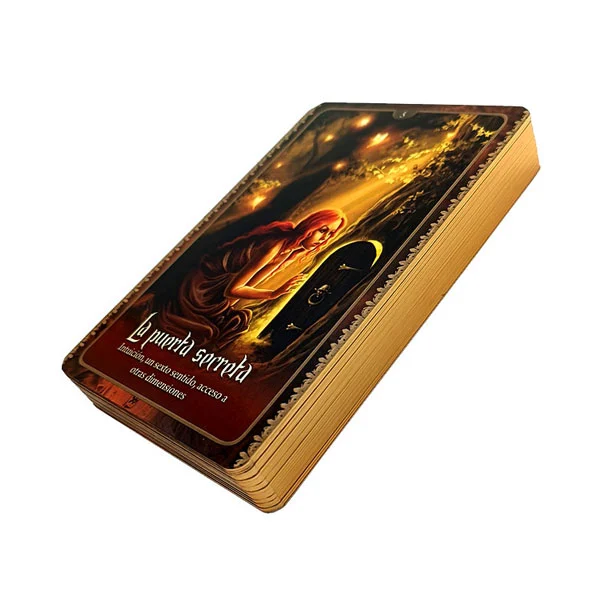
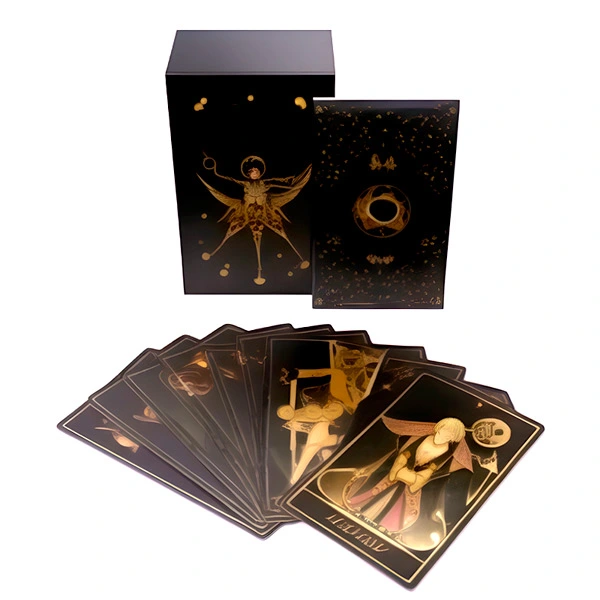
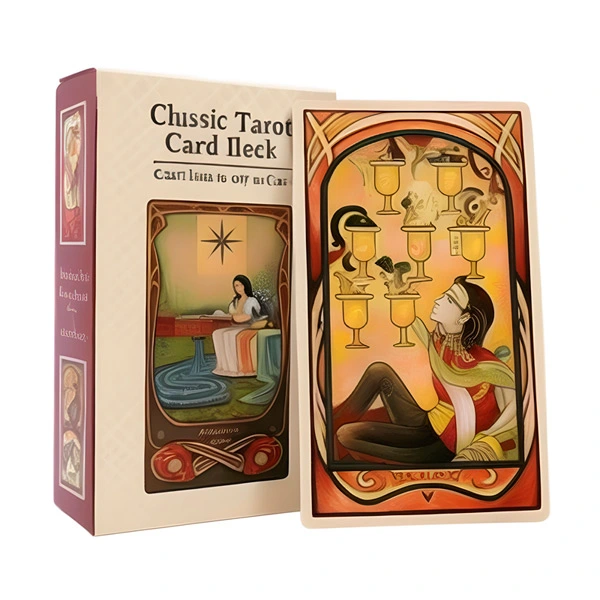
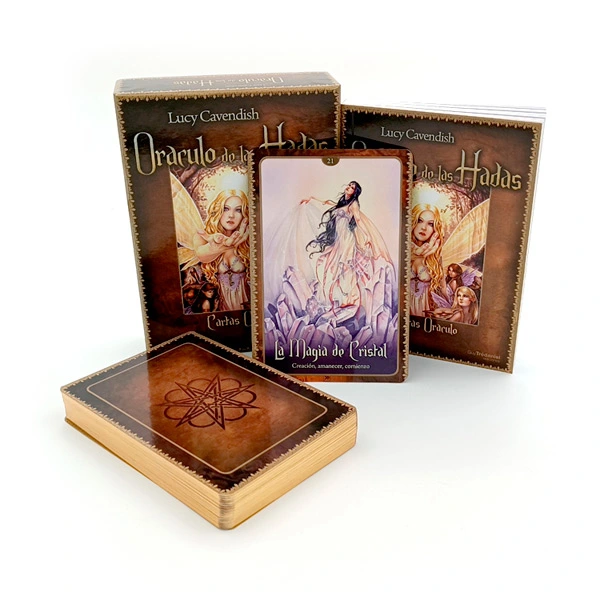
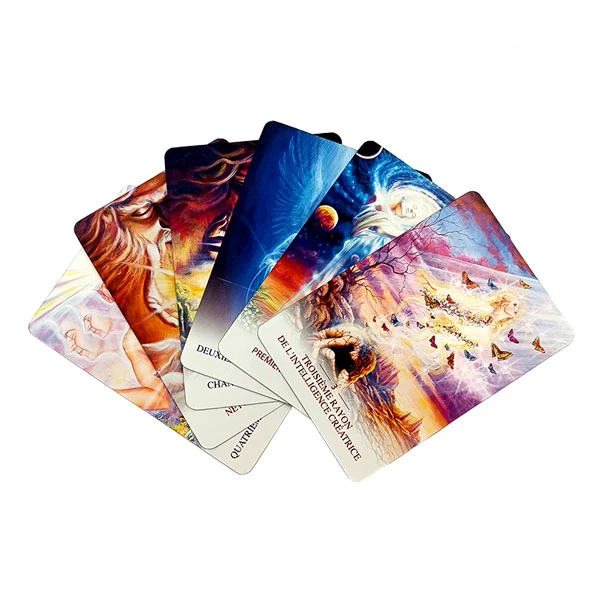
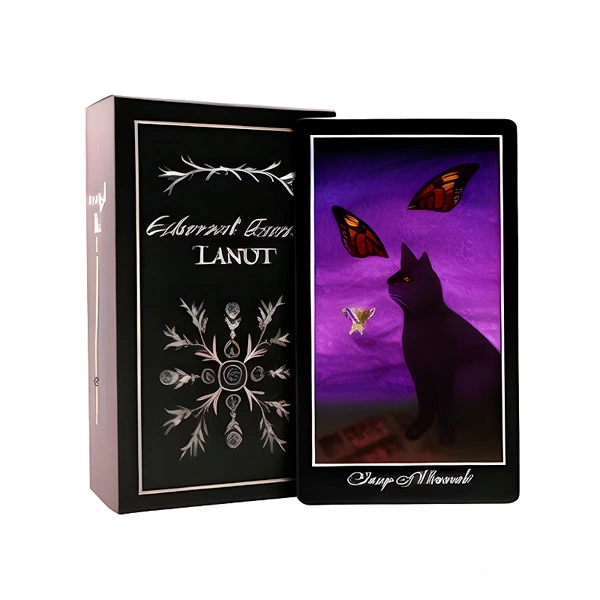
Tarot cards are significantly larger than standard playing cards. Their increased dimensions provide more room for artwork and symbolic details.
This format is commonly used for:
Tarot decks
Oracle decks
Spiritual guidance cards
Collector editions
Luxury card products
Advantages of Tarot Size
Challenges
For creators producing tarot products, Tarot Size remains the most popular choice because it allows artwork to become the focal point of the deck.
Mini Cards: Small Size, Big Advantages
Mini cards continue to gain popularity among publishers seeking portable and cost-efficient solutions.
| Benefit | Explanation |
|---|
| Lower Material Cost | Less paper consumption |
| Compact Packaging | Smaller boxes reduce shipping expenses |
| Portability | Ideal for travel games |
| Table Space Efficiency | Useful for complex board games |
Best Applications
Travel games
Pocket card games
Board game expansions
Resource decks
Reference cards
How Card Size Impacts Manufacturing Costs
Many buyers focus solely on card quantity, but card dimensions also significantly affect manufacturing expenses.
| Factor | Smaller Cards | Larger Cards |
|---|
| Paper Usage | Lower | Higher |
| Shipping Weight | Lower | Higher |
| Storage Space | Less | More |
| Packaging Cost | Lower | Higher |
For large-volume orders, even small size differences can create substantial cost variations across production and logistics.
How Artwork Requirements Influence Card Size Selection
Artwork complexity often determines the ideal card dimensions.
Heavy illustrations → Tarot Size
Detailed game information → Poker Size
Text-focused cards → Bridge Size
Minimalist designs → Mini Cards
Attempting to fit complex artwork onto small cards can negatively impact readability and user experience.
What Size Is Best for Custom Playing Cards?
For most projects, Poker Size remains the safest choice because it balances usability, manufacturing efficiency, compatibility, and consumer familiarity.
| Project Type | Recommended Size |
|---|
| Traditional Playing Cards | Poker Size |
| Trading Card Games | Poker Size |
| Tarot Decks | Tarot Size |
| Travel Games | Mini Cards |
| Bridge Games | Bridge Size |
| Luxury Collector Decks | Tarot Size |
Questions Buyers Frequently Ask
What is the most common size for custom playing cards?
Poker Size (63 × 88 mm) is the most commonly used format globally.
Are Tarot cards always larger?
Most tarot decks use larger dimensions to showcase detailed artwork and symbolism.
Do larger cards cost more to manufacture?
Yes. Larger cards typically require more paper, larger packaging, and higher shipping costs.
Can I create a completely custom size?
Yes. Most manufacturers can produce custom dimensions, although tooling costs and minimum order quantities may increase.
Final Recommendation
When developing custom playing cards, card size should be determined by gameplay, artwork complexity, target audience, packaging requirements, and production budget rather than trends alone. Poker Size remains the most versatile and commercially proven option, while Bridge, Tarot, and Mini formats each offer unique advantages for specific applications.
Before finalizing your design, discuss card dimensions with your manufacturer early in the development process. Proper size selection can improve player experience, reduce production costs, simplify logistics, and ultimately increase the market success of your card product.