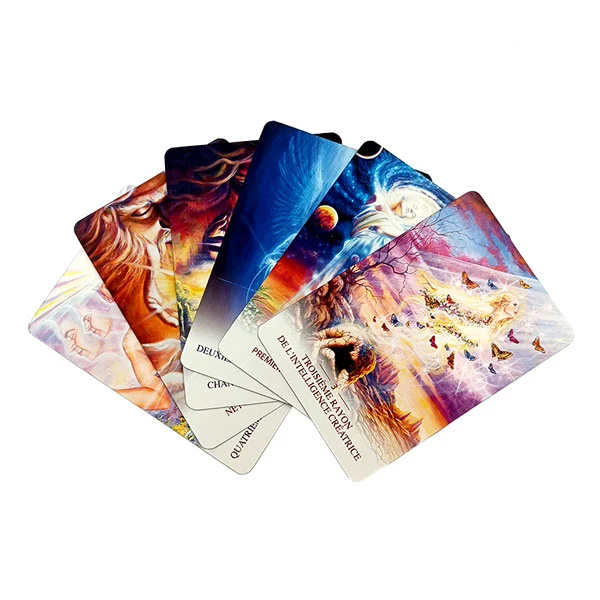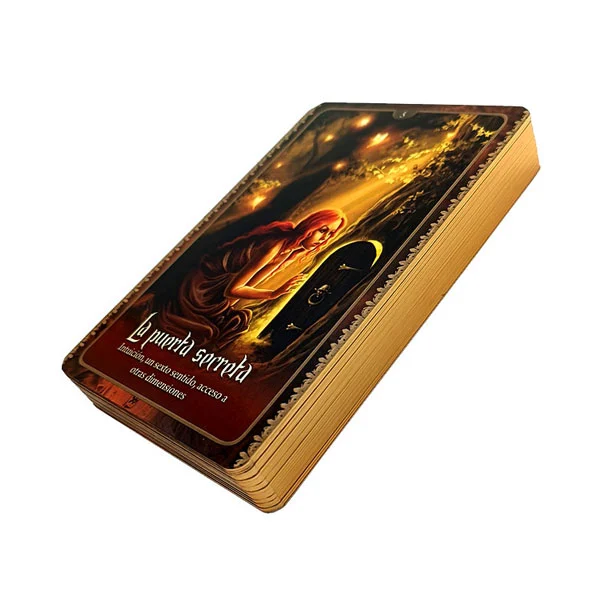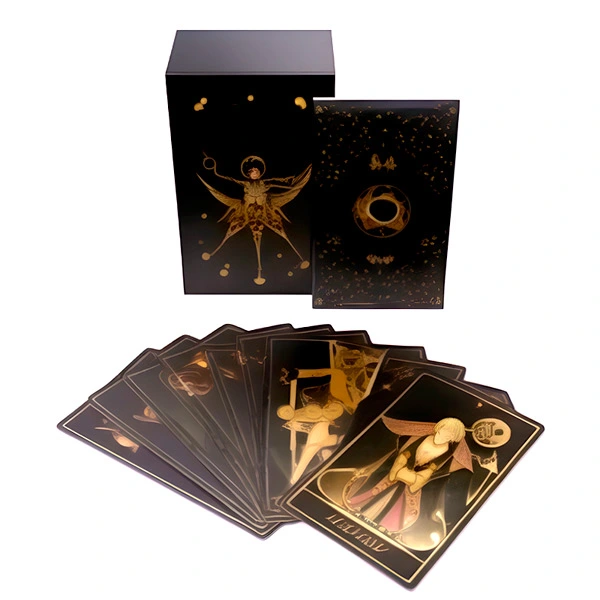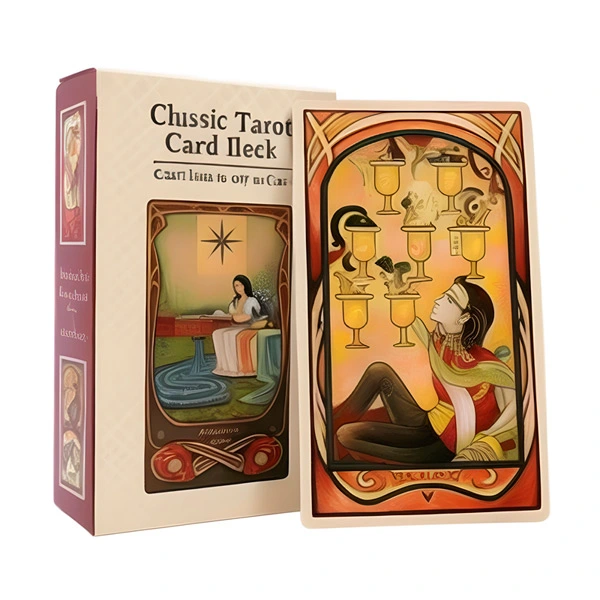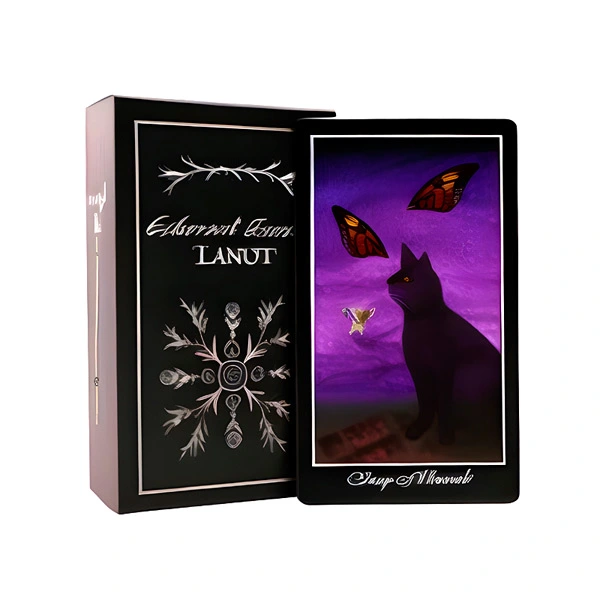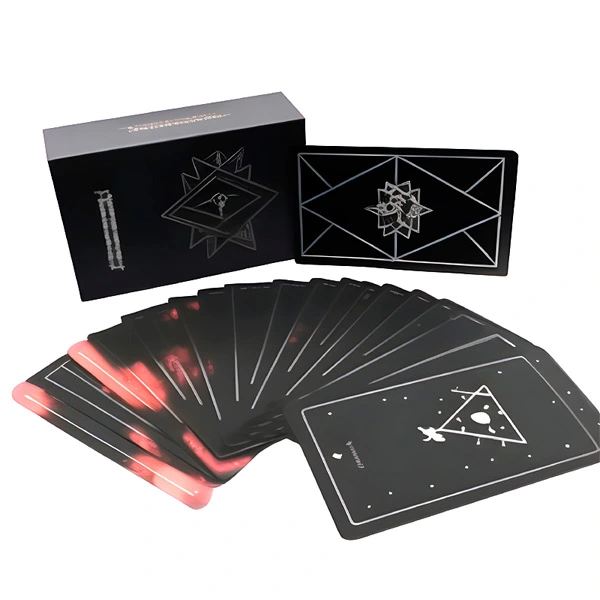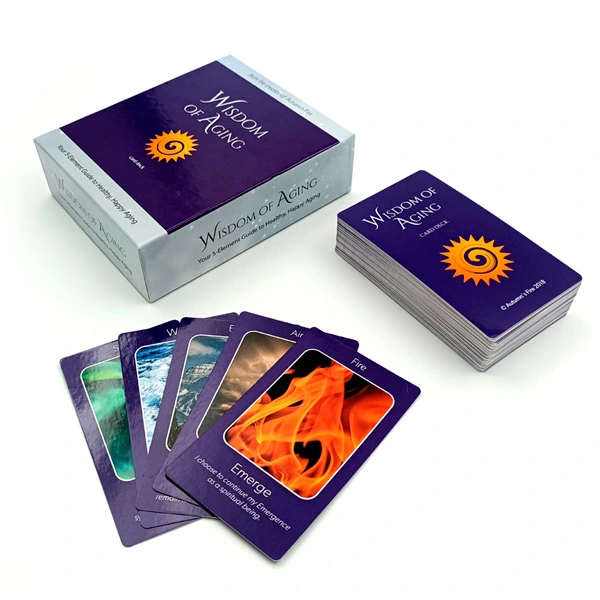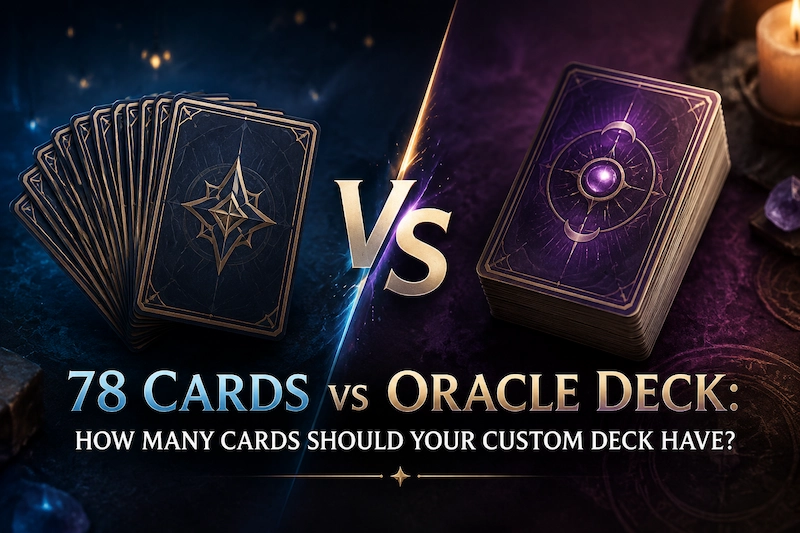
When creating a custom tarot card deck, one of the first decisions is determining the number of cards. Should you follow the traditional 78-card tarot structure, or create a smaller or larger oracle deck? The answer depends on your target audience, artwork budget, production costs, gameplay or reading system, and long-term commercial goals.
For most creators seeking compatibility with established tarot practices, a 78-card deck remains the industry standard. However, oracle decks offer greater flexibility and can range from 30 to over 100 cards depending on the intended experience.
Understanding the Traditional 78-Card Tarot Structure
The modern tarot system is built around 78 cards, divided into:
22 Major Arcana Cards
56 Minor Arcana Cards
This structure has become widely recognized among tarot readers, collectors, spiritual brands, publishers, and retailers worldwide.
| Section | Cards | Purpose |
|---|
| Major Arcana | 22 | Life lessons, major events, spiritual themes |
| Minor Arcana | 56 | Daily situations, emotions, actions, relationships |
| Total | 78 | Complete tarot reading system |
If your goal is to enter the established tarot market, following the 78-card structure generally provides the highest acceptance among professional readers.
What Is an Oracle Deck?
Unlike tarot, oracle decks do not follow a fixed structure. Creators can determine:
Number of cards
Card categories
Reading methods
Artwork style
Theme and narrative
This flexibility makes oracle decks particularly popular for wellness brands, influencers, coaches, artists, and independent publishers.
Typical Oracle Deck Card Counts
| Deck Size | Common Usage |
|---|
| 30-40 Cards | Beginner affirmation decks |
| 44 Cards | Most common oracle format |
| 50-60 Cards | Expanded guidance systems |
| 60-80 Cards | Premium themed oracle products |
| 80+ Cards | Collector editions and advanced systems |
How Card Count Affects Manufacturing Costs
From a manufacturing perspective, card quantity directly impacts production costs.
| Factor | Effect of More Cards |
|---|
| Printing Cost | Higher |
| Paper Consumption | Higher |
| Box Size | Larger |
| Shipping Weight | Higher |
| Artwork Investment | Higher |
For example, a 78-card custom tarot card deck may require nearly twice the illustration budget of a 44-card oracle deck.
Should You Choose 78 Cards for Your Custom Tarot Card Project?
A 78-card structure is ideal when:
You want compatibility with traditional tarot reading systems
You are targeting experienced tarot readers
You plan to sell through metaphysical retailers
You want global market acceptance
You are building a long-term tarot brand
Many distributors and specialty stores specifically search for traditional 78-card decks because customers already understand how to use them.
When Is a Smaller Oracle Deck Better?
A smaller oracle deck may be preferable when:
Your audience consists of beginners
You want lower illustration costs
You need a faster product launch
You focus on daily affirmations or self-care themes
You sell through lifestyle and gift channels
Many successful modern oracle decks use 44 cards because the format balances content depth with affordability.
Can You Create a Deck Larger Than 78 Cards?
Absolutely. Premium creators often develop 90-card, 100-card, or even larger systems.
However, larger decks introduce several considerations:
Higher production cost
Heavier shipping weight
Larger storage requirements
Longer development timeline
More complex user experience
Unless the additional cards provide meaningful value, increasing card count simply to appear more premium may not improve customer satisfaction.
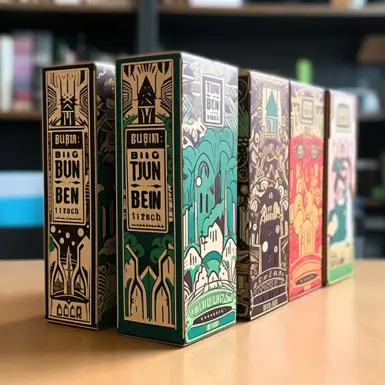
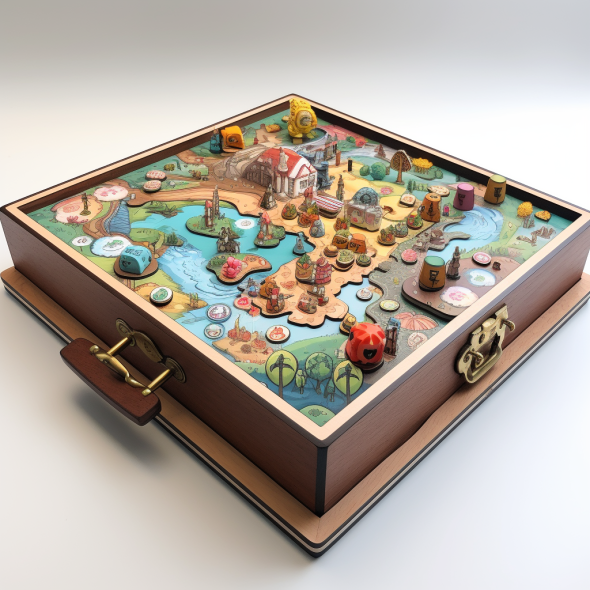
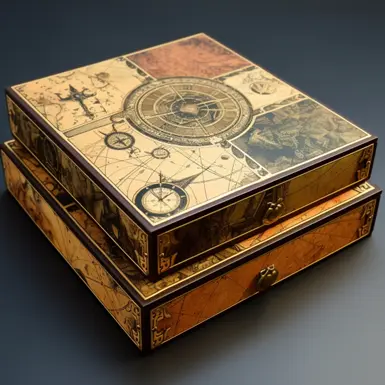
How Retail Packaging Changes with Card Quantity
Card count also influences packaging design.
| Card Count | Typical Packaging |
|---|
| 30-50 Cards | Tuck box |
| 44-60 Cards | Rigid box |
| 78 Cards | Magnetic box or rigid box |
| 90+ Cards | Premium collector box |
Selecting the correct packaging early helps prevent redesign costs during production.
Questions Buyers Frequently Ask Before Ordering a Custom Deck
Does a tarot deck have to contain exactly 78 cards?
No. While 78 cards remain the traditional standard, creators can develop alternative systems. However, decks marketed as tarot are generally expected to include the full 78-card structure.
What is the most popular oracle deck size?
Forty-four cards is currently one of the most common oracle deck formats because it balances usability and production cost.
Will fewer cards reduce manufacturing costs?
Yes. Fewer cards reduce printing expenses, packaging size, shipping weight, and illustration costs.
Can different card counts affect MOQ?
In some cases, yes. Manufacturers may adjust minimum order quantities depending on deck complexity, packaging style, and production specifications.
Final Recommendation
If your goal is to create a professional custom tarot card product for the established tarot market, the traditional 78-card structure remains the safest and most commercially viable option. If flexibility, lower development costs, and beginner accessibility are priorities, a 44-60 card oracle deck often delivers the best balance between user experience and manufacturing efficiency.
Before moving into production, evaluate your target audience, artwork budget, packaging requirements, and distribution strategy. The ideal card count is not simply about tradition—it is about creating the right experience while maintaining profitable production and logistics costs.